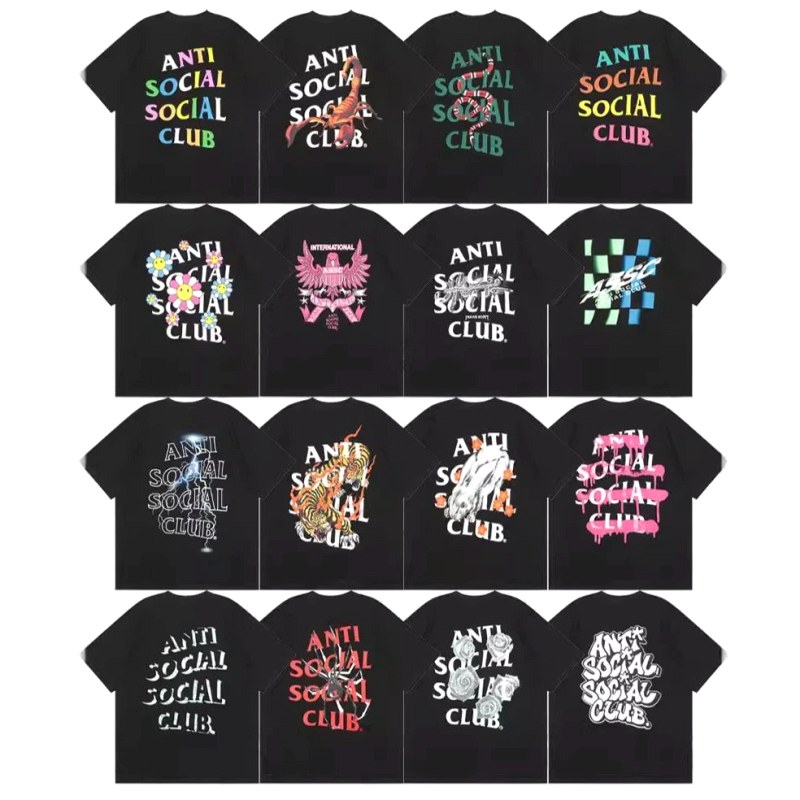
A single catalog row hiding a very wide menu
The line we worked from is one SKU — 7718733486 — listed at $6.87 against a $7.28 original, marked in stock. Behind that one row sits a colour dropdown running the cherry blossom print series from roughly 01 through 29, most of them in black, white, grey or burgundy variants, across sizes S to XXL. The listing describes a loose-fit, raglan-sleeve, collarless crew neck in 230 gsm double-yarn cotton with a printed finish, stated for spring through autumn casual wear and sold with a 1–3 cm measurement tolerance.
For anyone planning a bundle, the interesting problem is not the graphic. It is that one warehouse line item can produce two parcels that look identical on the sheet and completely different in the box. We ordered, logged and worked through the product on the bench to see how the paperwork holds up.
Our bench sequence
Every product we review goes through the same five checks, in the same order. Here is what each one returned on this tee.
| Check | What we looked for | What went onto our sheet |
|---|---|---|
| Sheet layout fit check | Whether one row per colourway is workable, or whether the print numbers need their own column | Print number promoted to its own column beside size; colourway name left as free text |
| Packaging condition pass | How the folded tee and its print survive staging, with photos at intake | Photo slot required per parcel, not per order |
| Weight check | The sheet's own estimate against a scale reading | Estimate rebuilt from our scale, because the listing's weight field carries no usable figure |
| Label check | Whether the parcel or item carries anything we can use as a consolidation instruction | Instruction field left to us — nothing on the label substitutes for it |
| Timed consolidation walk | How long a multi-colourway stack takes to stage against the schedule | Per-piece staging time added to the cutoff margin |
The weight column is the weak link
The catalog lists 230 gsm as a knit weight, and the listing's own weight field reads 0.00. Those are two different numbers, and the second one is the number a bundle plan needs. A 230 gsm single jersey tells you roughly how heavy the fabric is per square metre; it does not tell you what one folded size L in a poly bag weighs, and it certainly does not tell you what three of them weigh stacked. We ignored the spec line for billing purposes and used our own scale reading, logged per parcel.
The practical consequence: any sheet that auto-fills shipping estimates from this listing's weight field will be wrong by whatever a blank cell defaults to. Ours now blocks the estimate until a scale reading exists.
Print numbers are a listing construct, not a garment feature
The cherry blossom series is numbered, and that numbering lives in the dropdown. It is the fastest way to specify a colourway across a language barrier and the only way to keep two near-identical black prints apart in a message to the warehouse. On the label check, we looked for anything on the parcel or the item that could stand in for a consolidation instruction; we found nothing we could rely on as a picking instruction, so the instruction stays a written field in the sheet rather than a reference to a label.
Our working rule is now: print number plus size plus base colour, in that order, on every row. Where we had the print number, the three-field description matched what was staged. Where the row relied on colour name alone, the description was not specific enough to confirm a match on its own.
What the 1–3 cm tolerance does to a fit check
The listing states a 1–3 cm measurement tolerance, which is normal for cut-and-sew but awkward for a sheet that assumes a fixed set of measurements. A 3 cm drift across a chest or a body length is enough to move a wearer between sizes, and the loose fit means that drift is less visible on the hanger than it would be on a slim cut. Our flat measure against the listed chart sat inside that band, so we cannot call the chart wrong — only insufficiently precise to reorder blind.
Buyer reports on ASSC sizing conflict in the source material: one group sizes up at least one, another finds the tees true to size or slightly big and suggests a wash can tighten a loose fit. We are keeping that as reported, not resolved. The sheet field reads "measure, then order" rather than a blanket size-up rule.
Print durability: reported, not measured
Owner accounts in the source material are consistent on one point — these prints respond badly to heat. Hand-wash and air-dry advice appears repeatedly, with owners describing cracking and peeling after tumble drying. Some buyers also describe the tees as thin and cheap-feeling for the price, and the brand's own documented shipping history ran to 14–24 business days of handling plus delivery before logistics were reorganised around 2023.
We treat all three as reported context rather than our own finding. What we can say from the bench is narrower: the print sits as a surface layer on the knit, which is what the listing calls a printed finish, and the care instruction deserves a line in the sheet because it changes how the tee is packed and stored, not just how it is washed.
Consolidation timing and the cutoff
Moving through the consolidation schedule in order, the tee is cheap in money and slightly expensive in handling: it is a light, low-value piece that is easy to fold flat, but the colourway verification step is where the minutes go. Each added print number adds one more description to confirm before a parcel is sealed. On a six-piece order we would rather see all the tees staged at once, photographed together, and confirmed against the print-number column than staged as they arrive.
What we would change on the sheet
- Give the print number its own column instead of burying it in the colourway name.
- Leave the weight estimate empty until a scale reading exists; never inherit it from the listing.
- Put the care instruction in the packing notes so a heat-sensitive print is not folded against a hard-edged item.
- Attach intake photos per parcel, not per order, so the two black prints cannot be confused.
At $6.87 the tee is one of the cheapest lines on an invoice and one of the fussier ones to document. That is a fair trade only if the sheet does the documenting.